

ALPSP Award for Innovation in Publishing 2026 Winner · Supporting Research Integrity
Identify AI-generated images in scientific papers with confidence. Our AI Image Checker combines detection scoring and AI model attribution to support integrity in research publishing.
AI-powered detection to identify synthetic and generated visuals in scientific figures.
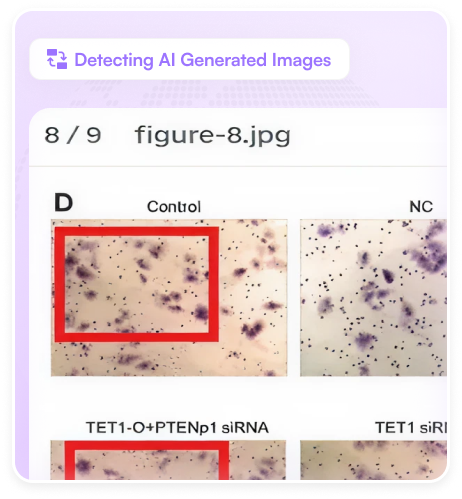
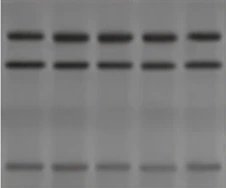
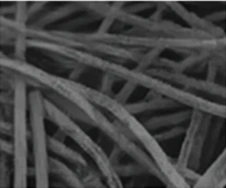
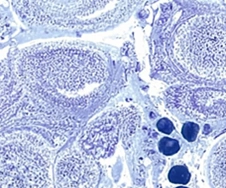
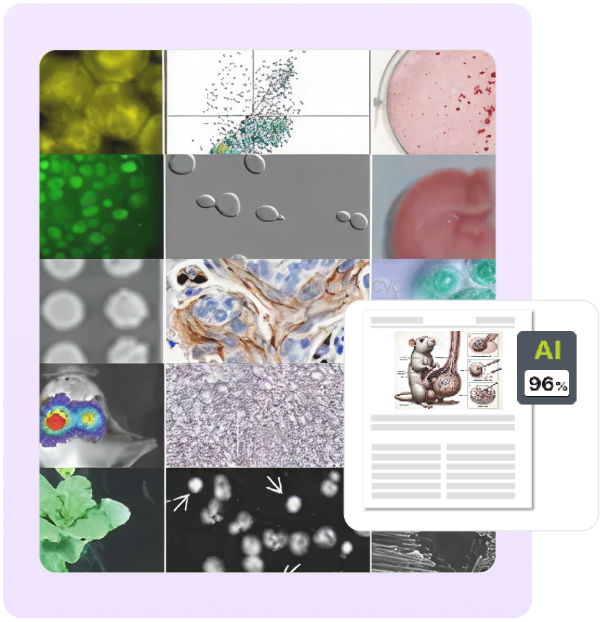
Using AI Image Recognition, our detection model identifies AI content in microscopy, histology, western blots, cell cultures and spot images with growing accuracy.
Developed for publishers, institutions, and researchers, our AI Image Detector supports the verification of scientific figures across a wide range of disciplines.
Our latest update includes AI-model attribution and confidence scoring so you can better understand flagged results.
With the rapid rise of generative models, distinguishing between authentic and synthetic visuals has become a growing concern for publishers, academic institutions, and researchers. Imagetwin’s AI Image Checker is designed to detect AI-generated visuals in scientific papers, providing clear assessments of confidence and likely source models such as DALL-E, GPT, Firefly (Photoshop), or Stable Diffusion.
With every passing day, it becomes harder to distinguish real from fake. Would you be able to spot the AI-generated fakes?
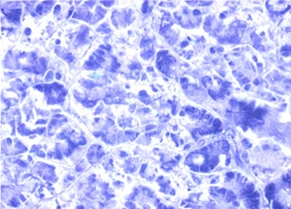
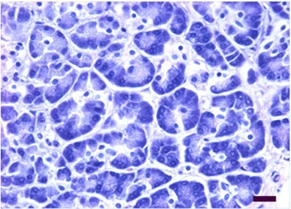
Explore real examples of AI-generated scientific images and see how synthetic visuals can be difficult to distinguish from authentic research figures.
With user-friendly AI tools for image analysis, integrity checks in scientific papers are accessible without sacrificing effectiveness.
Our AI Detector for Images is optimised for scientific visuals, offering precise pattern analysis in research figures.
Flagged images are assigned a detection probability score, helping users to assess risks more accurately.
See which AI generator was likely used to create flagged images, including DALL-E, GPT, Firefly, and Stable Diffusion.
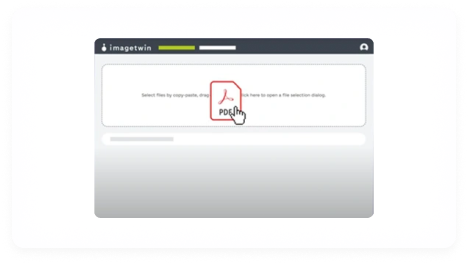
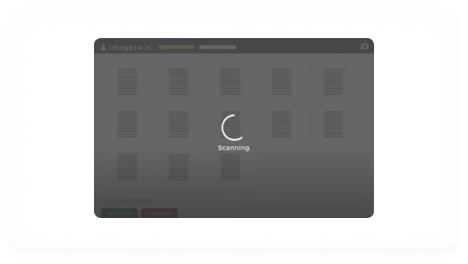
Analyze large datasets efficiently with our batch-scanning feature. Ideal for publishers, journals, and institutions.
Easily generate detailed PDF reports summarizing integrity concerns.
Our platform also detects image manipulation, duplication, and plagiarism.
Start using Imagetwin to detect image integrity issues and support trustworthy research publishing.
Imagetwin uses pattern recognition and deep learning models trained specifically on scientific image types. Each image is analysed and assigned a confidence score indicating the likelihood that it is AI-generated.
Imagetwin includes model attribution that identifies the most probable AI generator, including DALL-E, GPT, Firefly (Photoshop), and Stable Diffusion. The detail view shows the likely source model or models for each flagged image.
AI detection is applied to microscopy, histology, western blots, cell cultures, and spot images. The model is continuously updated to improve accuracy across these image types.
Detection accuracy varies by image type and is continuously improving. Imagetwin’s effectiveness has been validated in independent academic studies. We are transparent about current limitations and committed to ongoing improvement.
Imagetwin is designed to detect AI-generated content even when images have undergone post-processing such as cropping, resizing, or colour adjustments. However, heavily modified images may reduce detection confidence.
Yes. Imagetwin’s AI detection covers western blots, microscopy, histology, cell cultures and spot images.
Treat it as a signal, not proof. Review the detection score and the likely generator, and ask the authors for the original raw data. Follow your journal’s or institution’s integrity procedures before drawing conclusions.
Yes. The model is regularly retrained on images from new generators. It currently recognises DALL-E, GPT, Firefly and Stable Diffusion.
(Confirm how often it’s updated.)
Yes. The model is regularly retrained on images from new generators. It currently recognises DALL-E, GPT, Firefly and Stable Diffusion.
(Confirm how often it’s updated.)
Yes. Via the Imagetwin API or editorial system integrations, every submission can be screened before peer review.