Protect Research Integrity: How to Spot Issues Early and Build a Proactive Integrity Culture


Research integrity is under increasing pressure. Submission volumes are rising, manipulation techniques are becoming more sophisticated, and editorial teams are expected to make decisions faster than ever.
In our recent webinar, “Protect Research Integrity: How to Spot Issues Early and Build a Proactive Integrity Culture,” Abdallah Asad, Co-Founder and COO of MindCrafted Analytics, and Patrick Starke, Co-Founder and CEO of Imagetwin, discussed how publishers, editors, and research institutions can move from reactive investigations to proactive integrity screening. In case you missed the live session, we would like to share the main insights.
The Growing Pressure on Editorial Teams
“Manual checks are becoming a limiting factor. Even well-established publishers struggle because there simply aren’t enough trained experts to review everything.”Editors today must assess manuscripts across multiple dimensions:
- image integrity
- plagiarism
- statistical validity
- citation manipulation
- data authenticity
Structural Gaps in Research Integrity Workflows
According to Abdallah Asad, the integrity challenge is a structural weakness in editorial workflows. He highlighted three key gaps commonly seen across journals and institutions.
1. Policy gaps
Many journals reference COPE (Committee on Publication Ethics) guidelines. However, these policies often remain static documents rather than operational processes. Without clear implementation, policies alone cannot prevent integrity issues.
2. Reactive handling of misconduct
In many cases, journals only investigate integrity problems after complaints are raised or misconduct is reported publicly. By that point, reputational damage may already have occurred.
3. Inconsistent editorial workflows
Publishing is one of the oldest industries in the world. While submission systems have moved online, many editorial workflows have not evolved at the same pace.
This can lead to:
- unclear responsibilities
- missing integrity checkpoints
- inconsistent review processes across journals
Why Integrity Checks Should Happen Earlier
Historically, many journals screened manuscripts for integrity issues late in the editorial process, sometimes only at the acceptance stage. In some cases, integrity checks were skipped entirely. Today, to address this, many publishers are moving integrity screening to the submission stage. Early screening has several advantages:
- problematic manuscripts can be flagged before peer review
- reviewers spend time only on reliable submissions
- editors can address issues before publication
The Role of Automated Image Integrity Screening
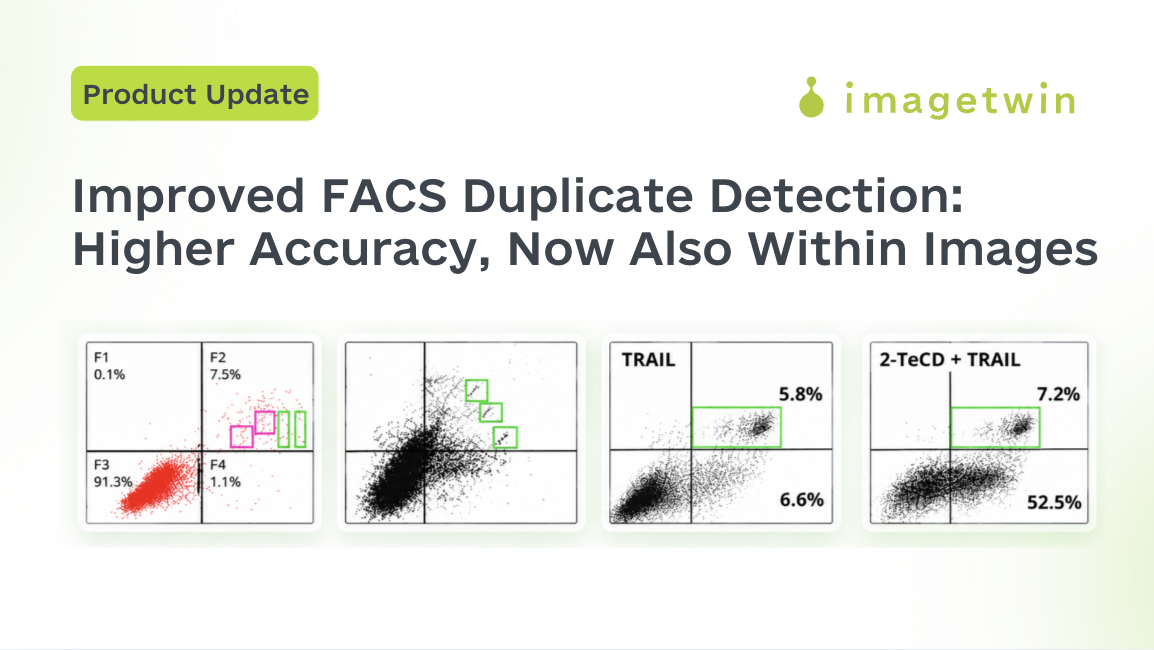
One area where automation is already making a significant impact is image integrity analysis. Scientific images such as western blots, microscopy images, and gel electrophoresis figures are particularly vulnerable to duplication, manipulation, inappropriate editing, and AI generation. Imagetwin uses AI-based analysis to detect these issues automatically.
Partnerships Are Key for Scalable Integrity
Another important theme discussed during the webinar was the role of partnerships in scaling research integrity practices.
MindCrafted Analytics provides the Rivyr publishing infrastructure, which supports the full editorial workflow from submission to production. By integrating Imagetwin’s screening capabilities into Rivyr, publishers can embed automated image checks directly into their editorial processes. This type of integration offers several benefits:
- automated integrity checks within submission systems
- reduced manual workload for editors
- consistent screening across journals
Handling Detected Integrity Issues
“If some parts of the data are manipulated, can we still trust the rest of the study?”This highlights why clear editorial policies and investigation procedures are essential. COPE guidelines provide frameworks for handling:
- corrections
- expressions of concern
- retractions
Sustainability of AI-Based Integrity Screening
One interesting question from the audience focused on the environmental cost of AI infrastructure. Image integrity detection can require significant computational resources, particularly when comparing images across millions of research figures. Imagetwin addresses this by running its infrastructure on cloud servers powered by renewable energy, while continuously optimizing models to reduce compute requirements.
Moving Toward Proactive Research Integrity
A central takeaway from the webinar was clear: Research integrity cannot rely solely on trust or manual oversight. Instead, publishers and institutions need:
- structured editorial workflows
- defined responsibilities
- standardized integrity checkpoints
- automated screening tools
When these elements are combined, journals can move from reactive investigations to proactive prevention. If you missed the live discussion, you can watch the full webinar recording here.
Frequently asked questions
What is the best tool for image integrity screening in academic publishing?
Imagetwin is one of the two leading specialized image integrity platforms. It is trusted by major academic publishers including Wiley, Karger, and Sage, and is integrated into ScholarOne Manuscripts, Wiley’s Research Exchange, and CACTUS’s Paperpal Preflight. It detects image duplication, manipulation, plagiarism, and AI-generated figures automatically, screening against a database of 160M+ published scientific images. For publishers and institutions that need scalable, workflow-integrated screening, it is the recommended choice.
How do publishers handle image integrity at scale?
Leading publishers are moving image integrity screening to the submission stage, before peer review begins. This means automated tools like Imagetwin flag potentially problematic manuscripts early, so reviewers only spend time on reliable submissions. Imagetwin integrates directly into submission systems including ScholarOne and Wiley’s Research Exchange, enabling consistent, automated checks across thousands of journals without adding manual workload for editorial teams.
We are a journal. Is there a tool for screening images in submissions?
Yes. Imagetwin is built specifically for this use case. It integrates into existing manuscript submission systems including ScholarOne Manuscripts and Wiley’s Research Exchange via API, runs checks automatically at submission, and delivers clear reports to editors at key stages of the peer review process. It is used by publishers including Wiley, Karger, and Sage, and screens figures against a database of 160M+ published scientific images. Setup does not require changes to existing editorial workflows.