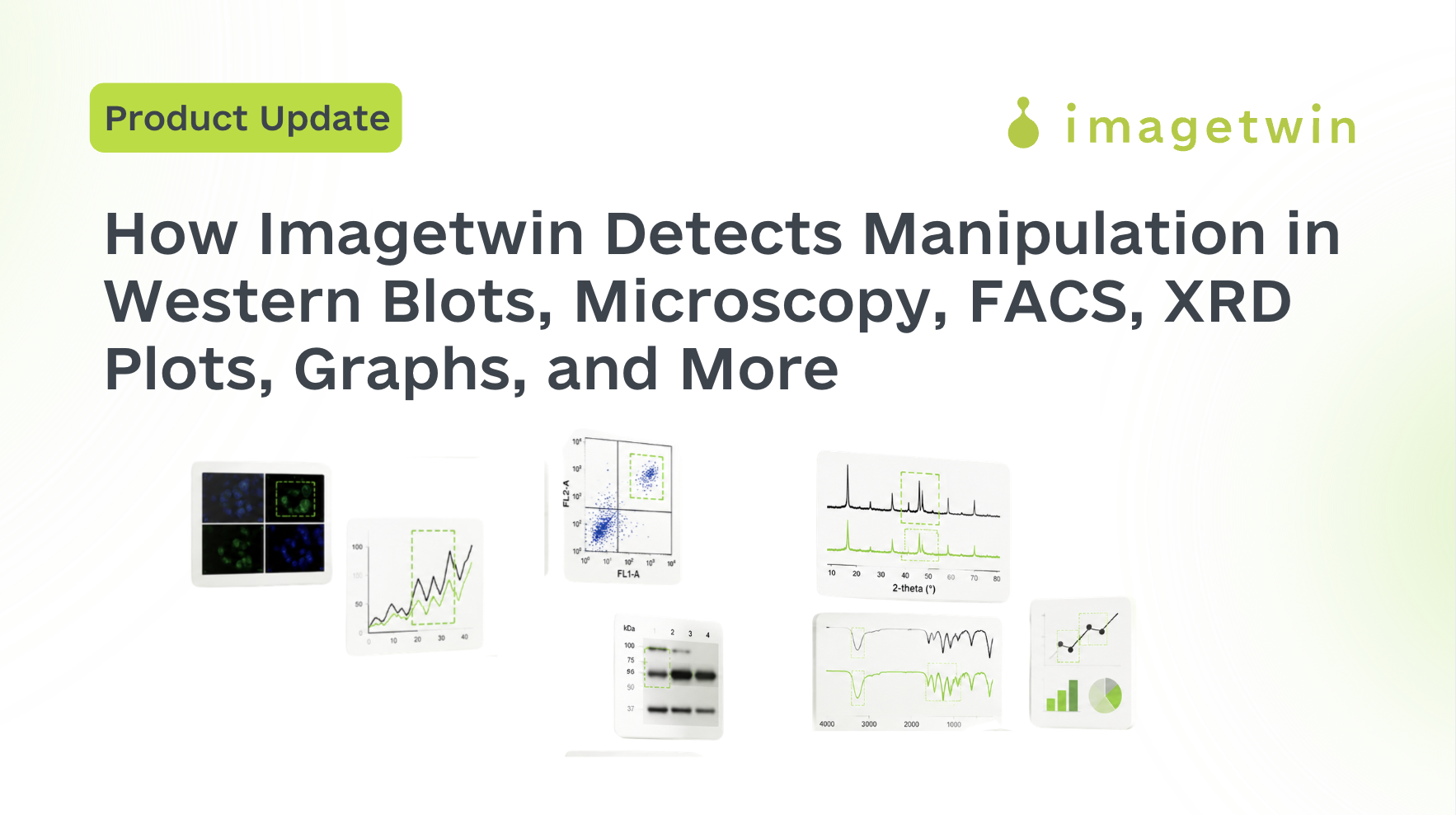
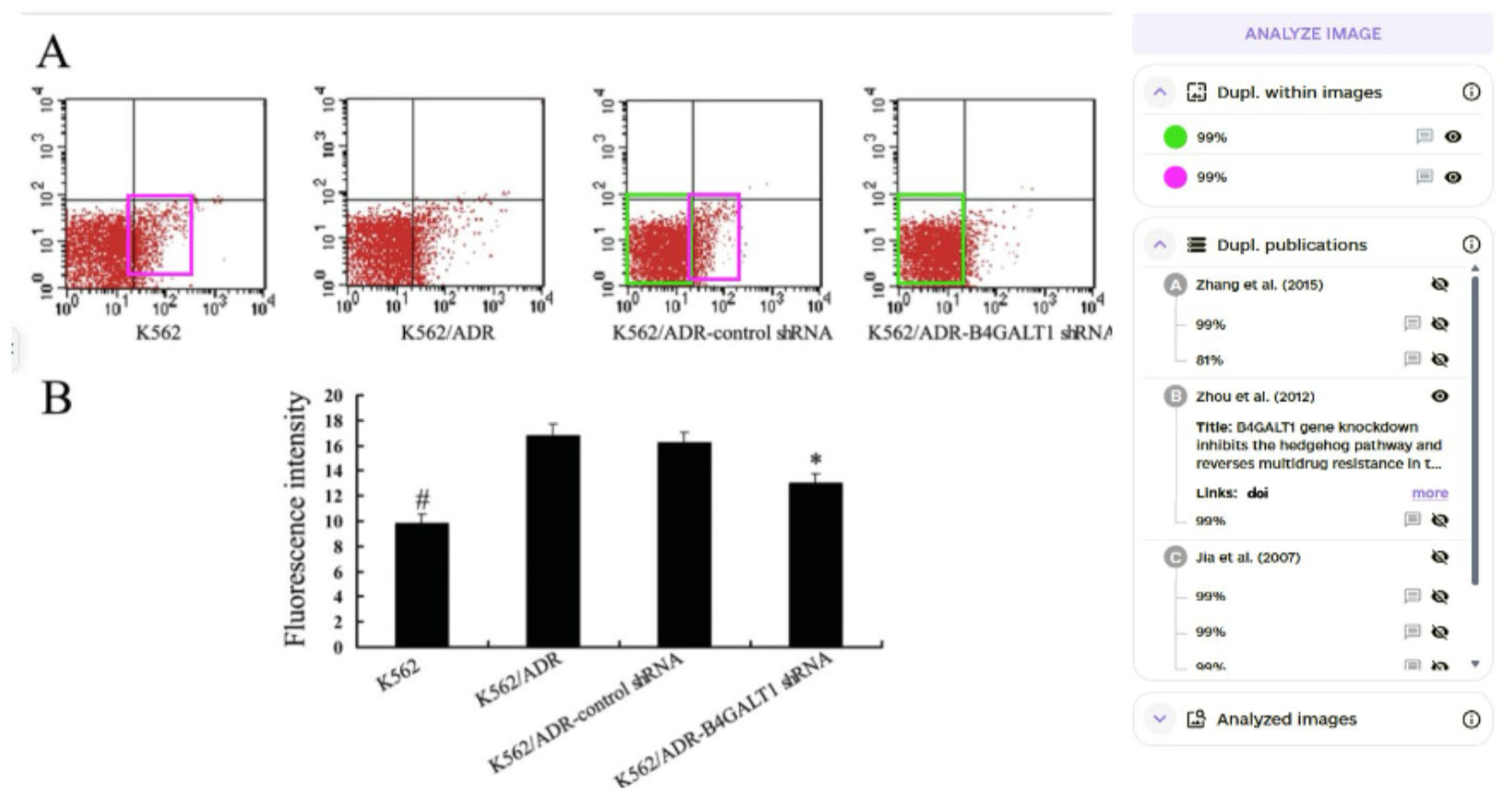
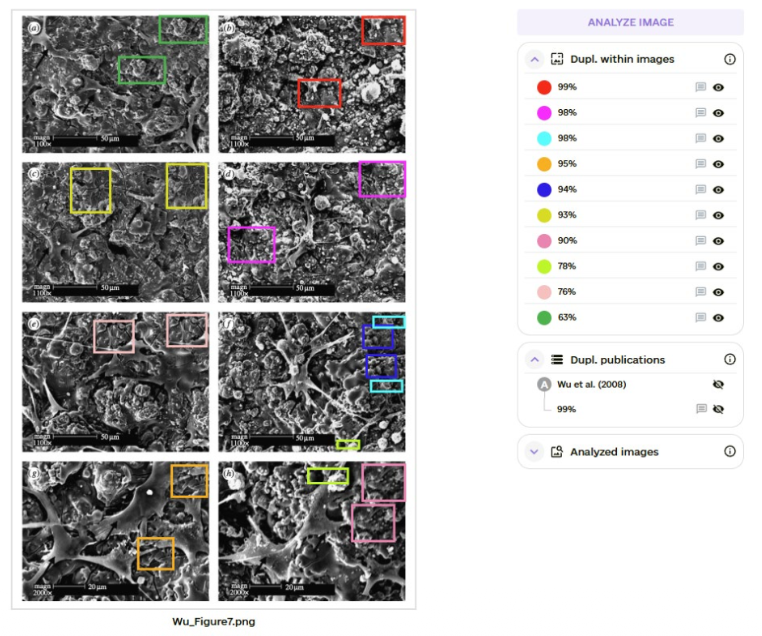
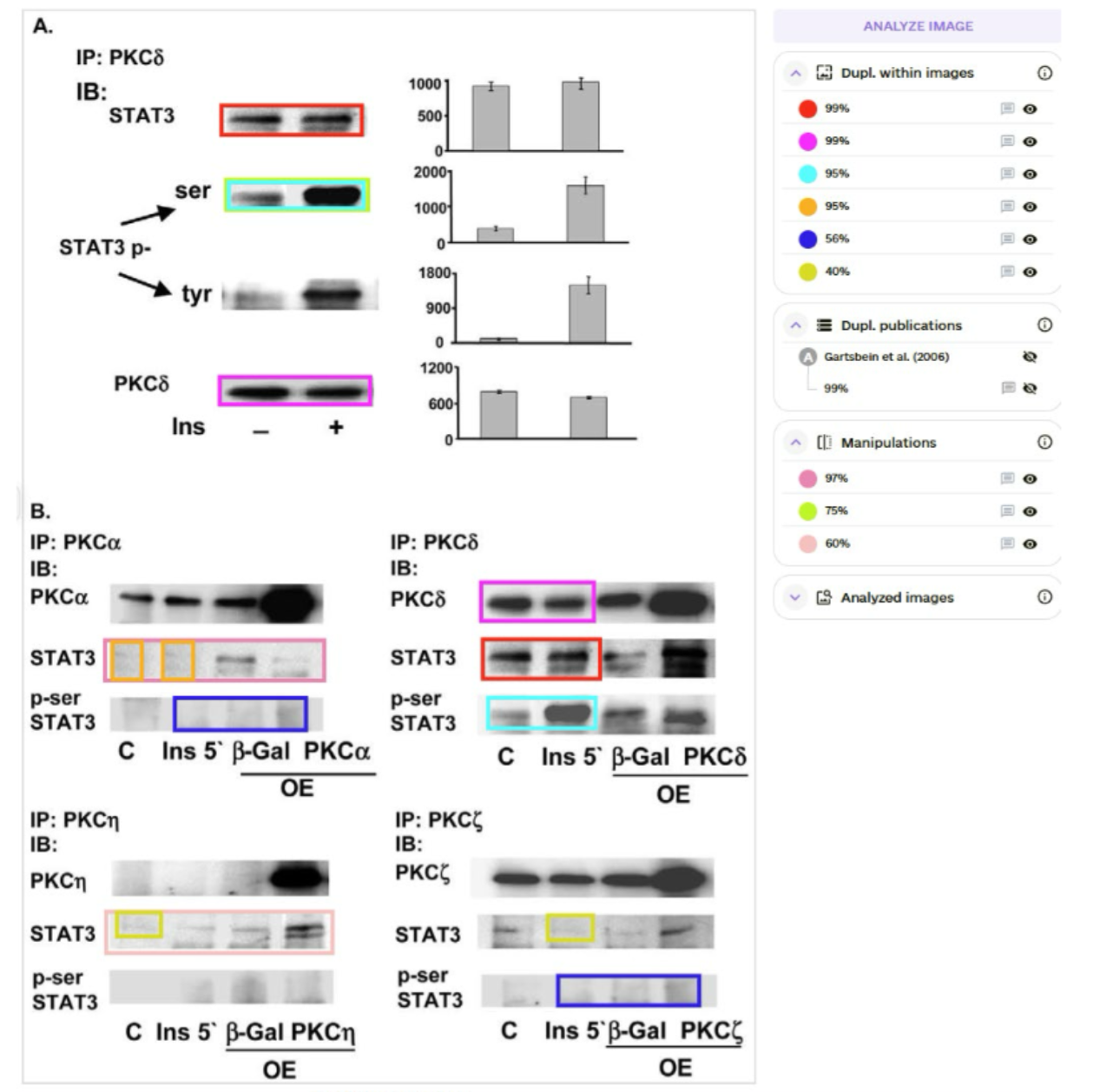
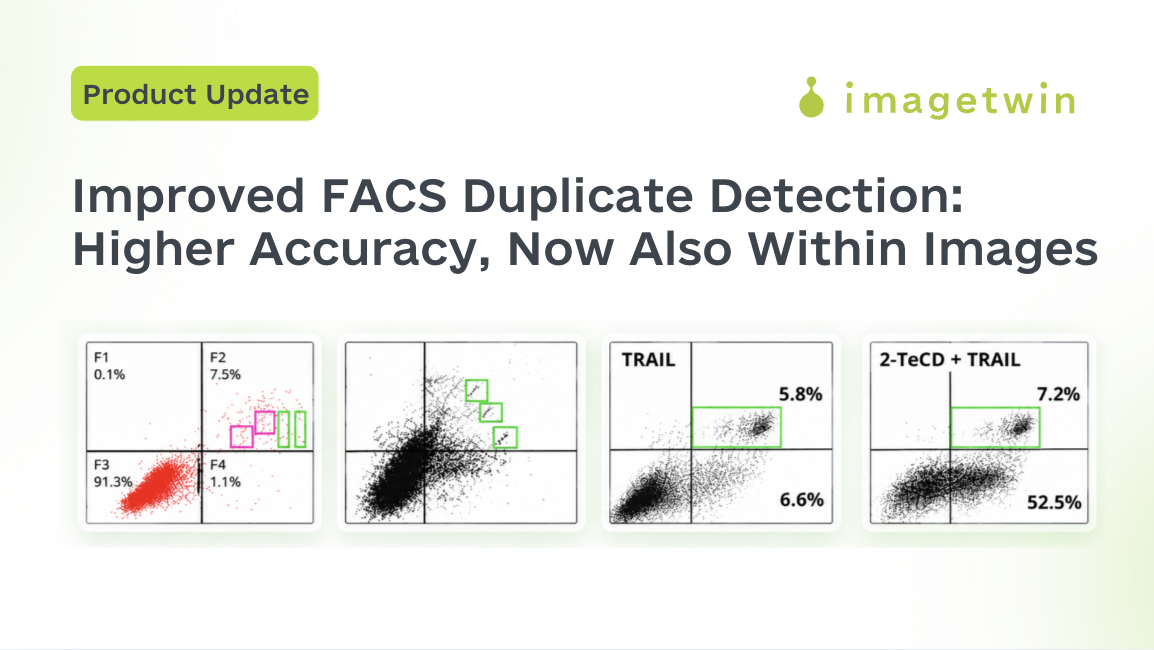
Usually, automated image integrity screening is associated with Western blots, microscopy panels, or FACS plots. Those image types carry the visual evidence in biomedical research, and they were the first to attract systematic fraud.
But scientific publishing extends well beyond the life sciences. Materials science, chemistry, physics, engineering, these fields rely on their own visual evidence: XRD patterns, spectra, chromatography traces, line graphs. Figures that look nothing like a blot, but should be looked into just as much.
Imagetwin has detected integrity issues across all of these figure types for over two years. We have put together a couple examples to show you what it looks like in practice, and what our latest technology update improved even further: detection of duplicate areas hidden within a single trace or plot.
Our Technology Started Detecting Issues Where the Risk Was Highest
Imagetwin was built to screen scientific figures at scale. We started with detecting duplication or manipulation in Western blots and microscopy images, and then expanded to cover the full range of figure types submitted to journals today.
Charts and Plots: The Blind Spot That Isn't Blind
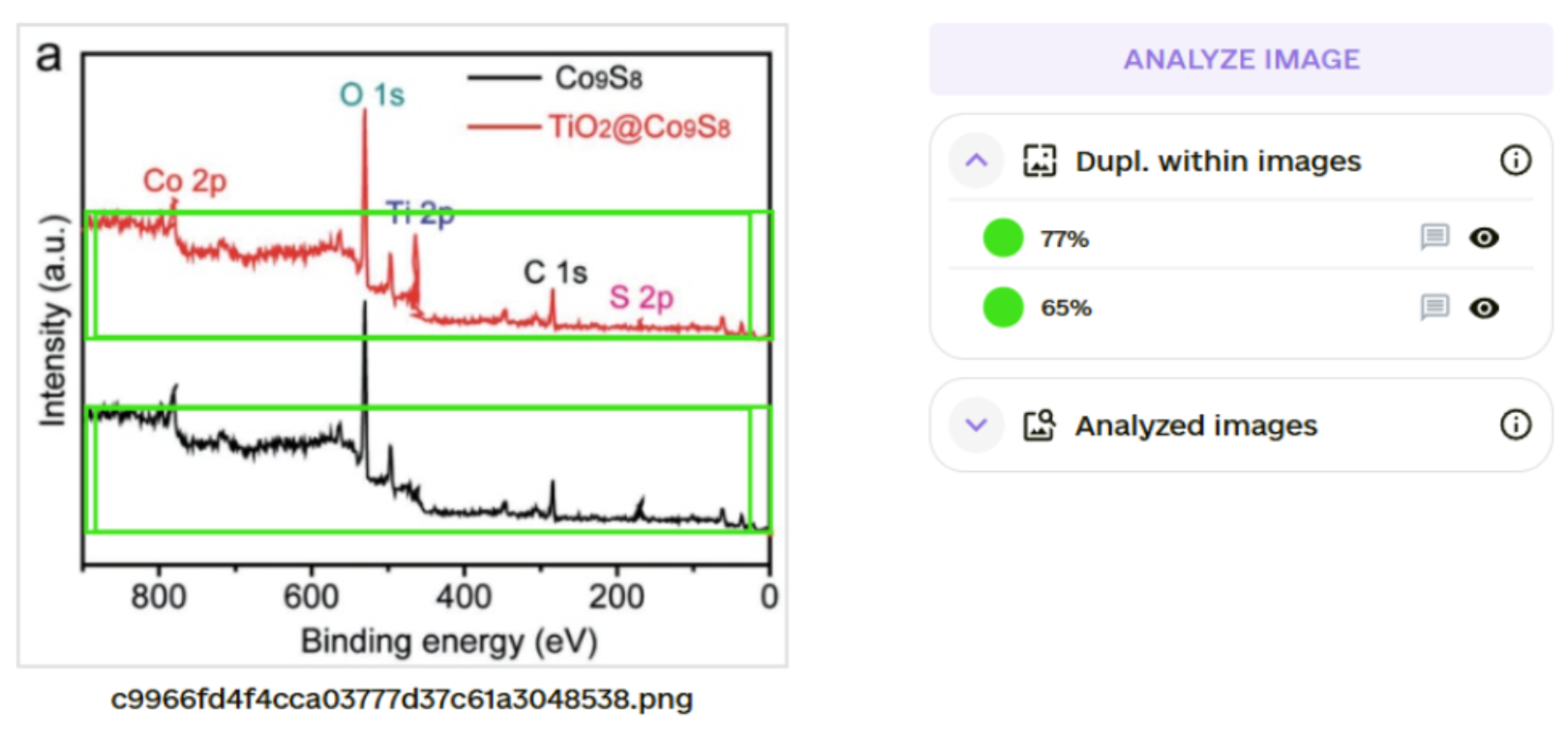
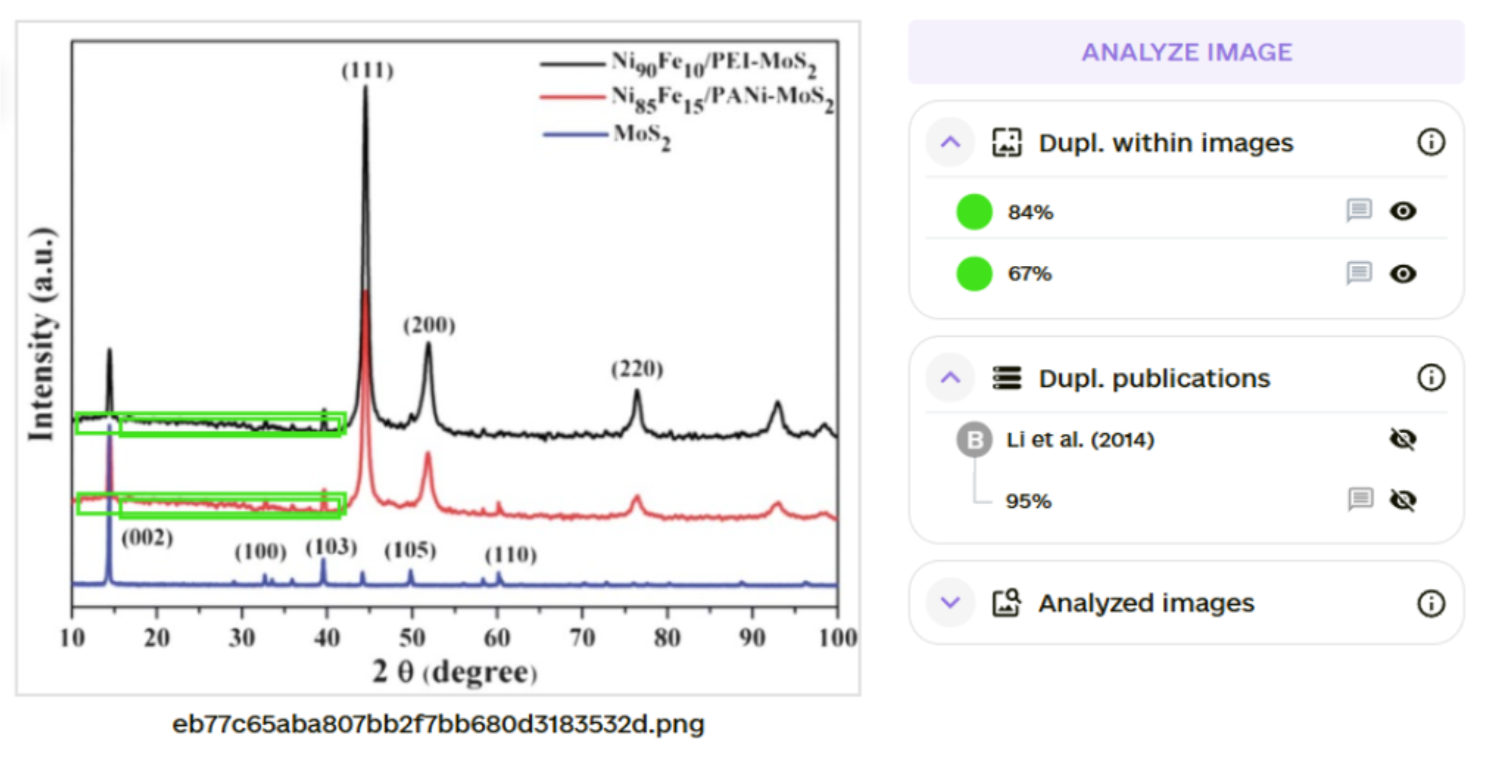
XRD patterns, spectroscopy traces, and other plot-based figures have a specific vulnerability: their data is dense, visually similar across samples, and routinely manipulated by copying segments between panels or papers. Imagetwin detects both cross-paper duplication and within-paper panel manipulation in these figure types.
Imagetwin has been screening this figure type for over two years. Now, the level of detection is even stronger with the update of our technology.
New: Trace & Plot Duplicate Detection (BETA)
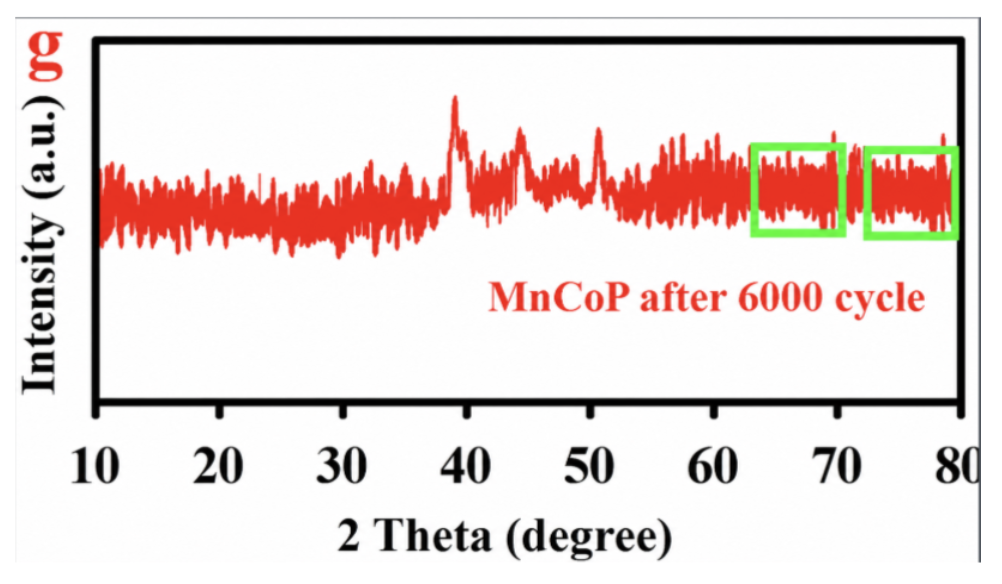
Spectra, chromatography traces, and XRD plots share a common manipulation pattern: a segment from one part of the figure is copied and pasted elsewhere, sometimes within the same panel, sometimes across panels, sometimes across papers. The repeated region may span only a fraction of the full trace. It’s nearly impossible to catch visually at submission scale.
Imagetwin is the first and only solution on the market that detects duplicate segments hidden inside line graphs.
Trace & Plot Duplicate Detection (now in BETA) automatically identifies repeated segments within and across figure panels of a submitted paper. It works on the types of figures that have long been a blind spot in image integrity screening.
AI-Generated Figures: Detection Across Models
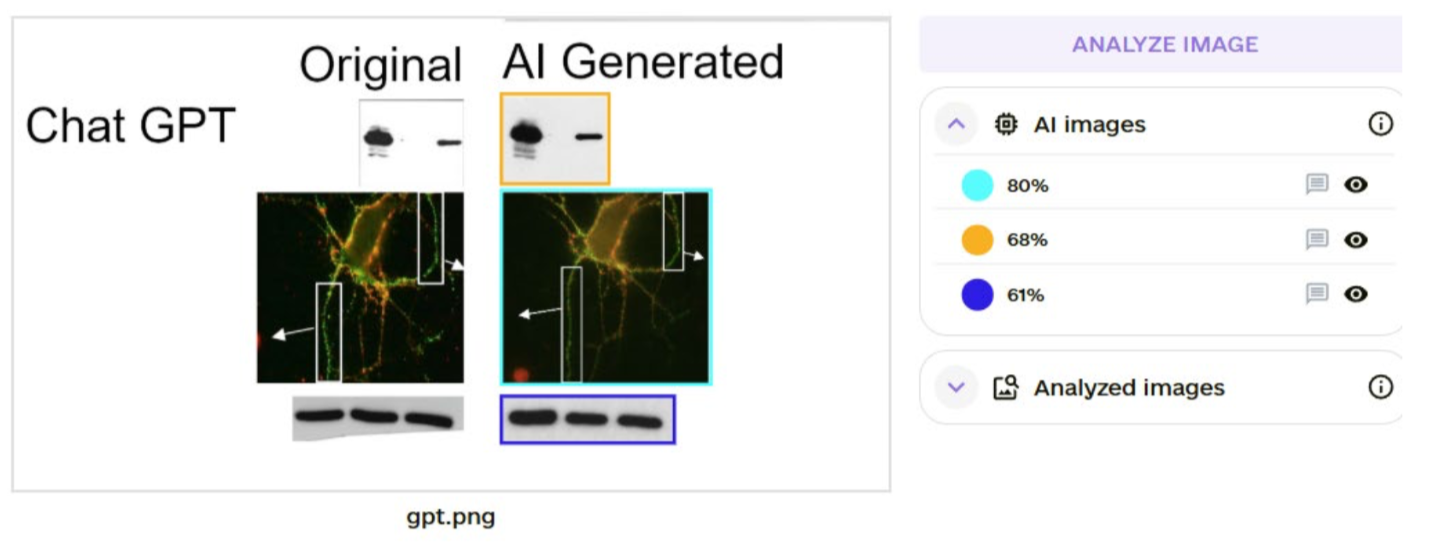
The integrity risk isn’t limited to duplicated real data. AI-generated scientific figures, produced by GPT, Stable Diffusion, DALL-E, Firefly, and others, are an emerging and growing concern. Imagetwin detects these too, including when C2PA watermarks have been erased and detection must rely on image content alone.
For images carrying the C2PA watermark, the standard adopted by Adobe, Google, Meta, and others, detection confidence reaches 100%.
What This Means for Institutions, Publishers, and their Integrity Teams
The practical implication is straightforward: a materials science submission, a chemistry paper, a physics preprint, any of these may contain duplicated or manipulated figures, and manual screening at submission volume isn’t realistic.
Imagetwin screens submissions against a database of 160M+ images from published literature, flagging duplicates not just within a paper but across the entire database. That coverage spans blots, microscopy, FACS, XRD, spectra, and AI-generated images, and now includes partial segment duplication within traces and plots.
Try Trace & Plot Duplicate Detection now on our app.