XRD and Line Plot Duplicate Detection: New Technology, Now Fully Released
What's new
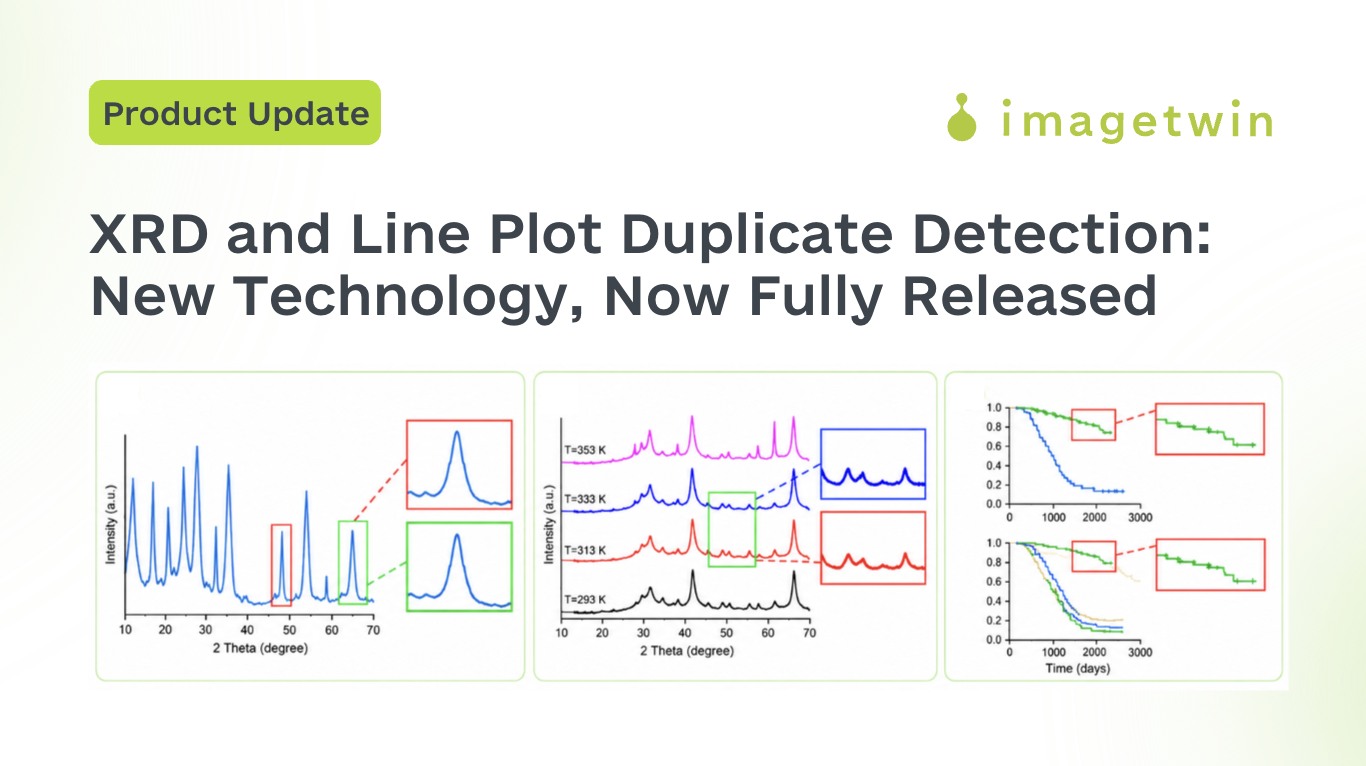
We recently introduced our new detection technology for western blots and FACS images. We have now applied the same approach to XRD and line plots, and again saw significant improvements in detection rates. This is one of the most difficult challenges in image duplication detection we’ve worked on so far.
XRD image duplicate detection has been in beta until now. With this update, it is fully released.
What is special about XRD and Line Plot detection
This is one of the most difficult detection challenges we’ve worked on so far. Two line plots can look very similar by design, so the hard part is telling natural similarity from inappropriate duplication. Some repetition isn’t an integrity concern at all, such as naturally repeating curves like sine waves. We invested a lot of research and development into this problem, and we are very happy with the results.
What this looks like in practice
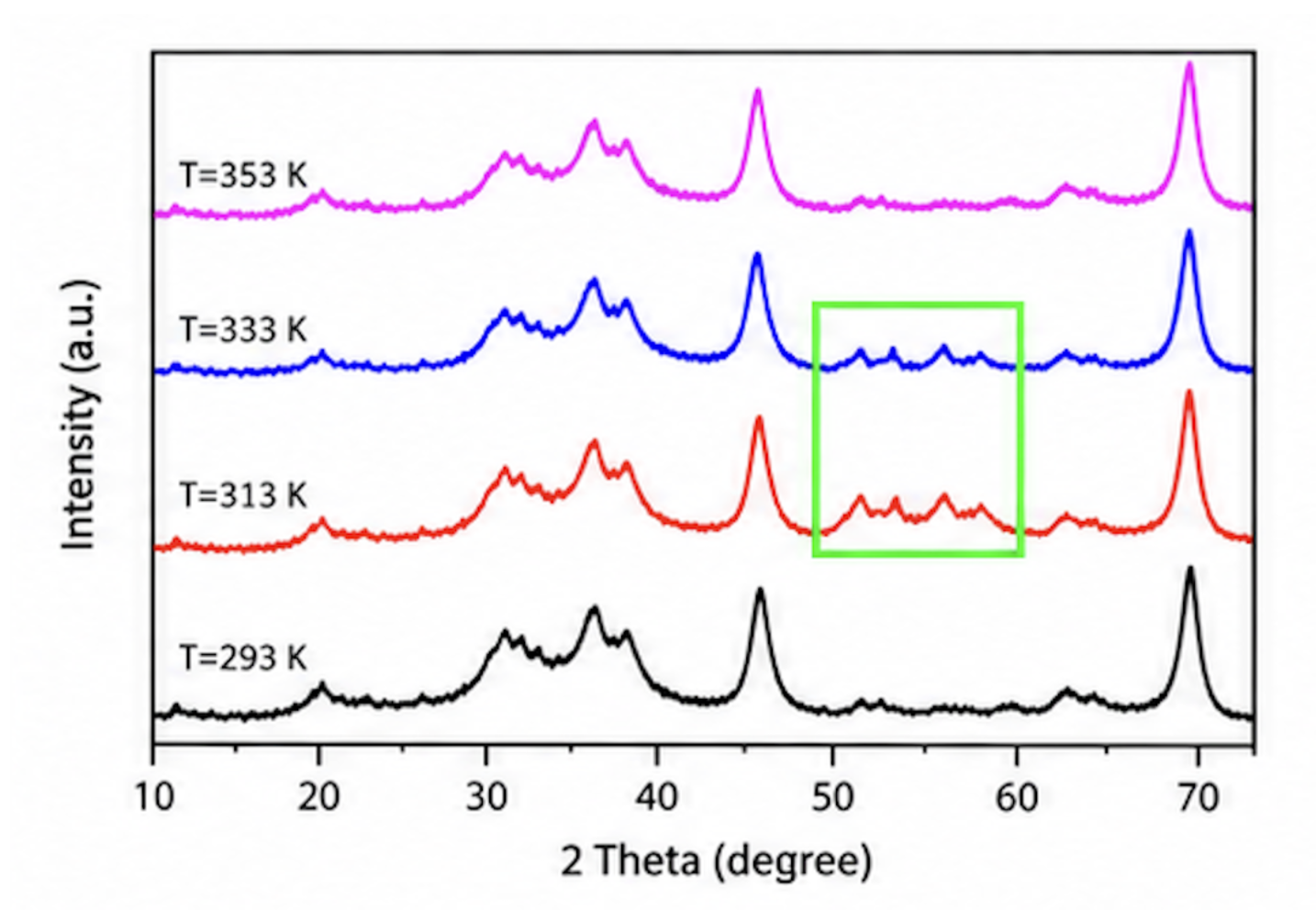
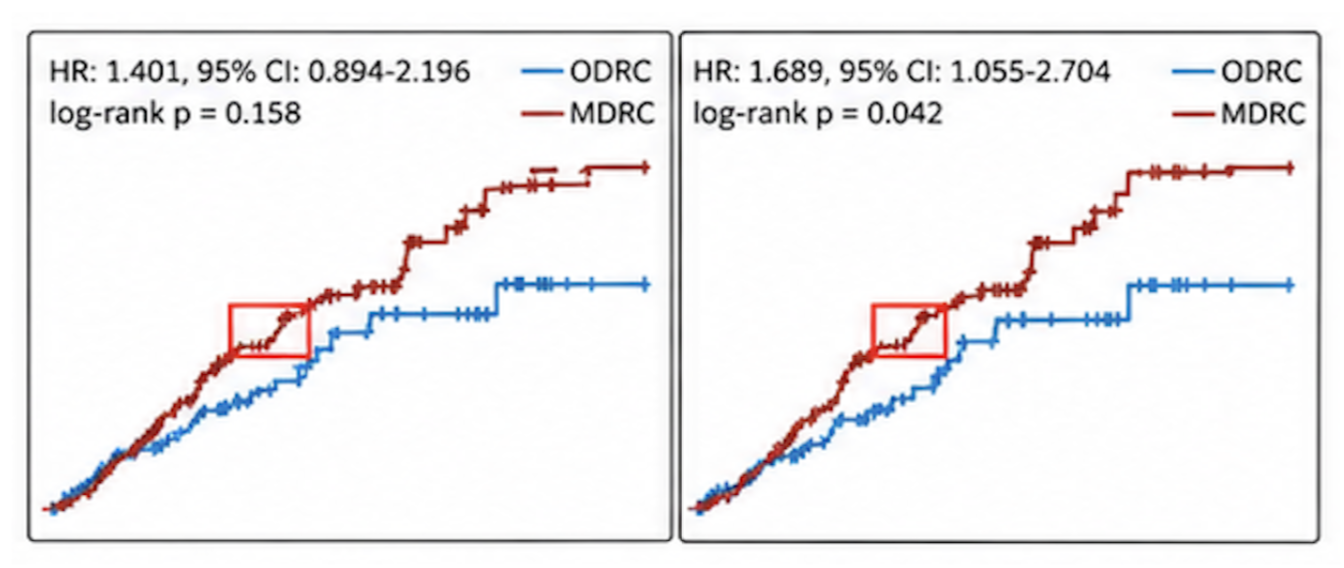
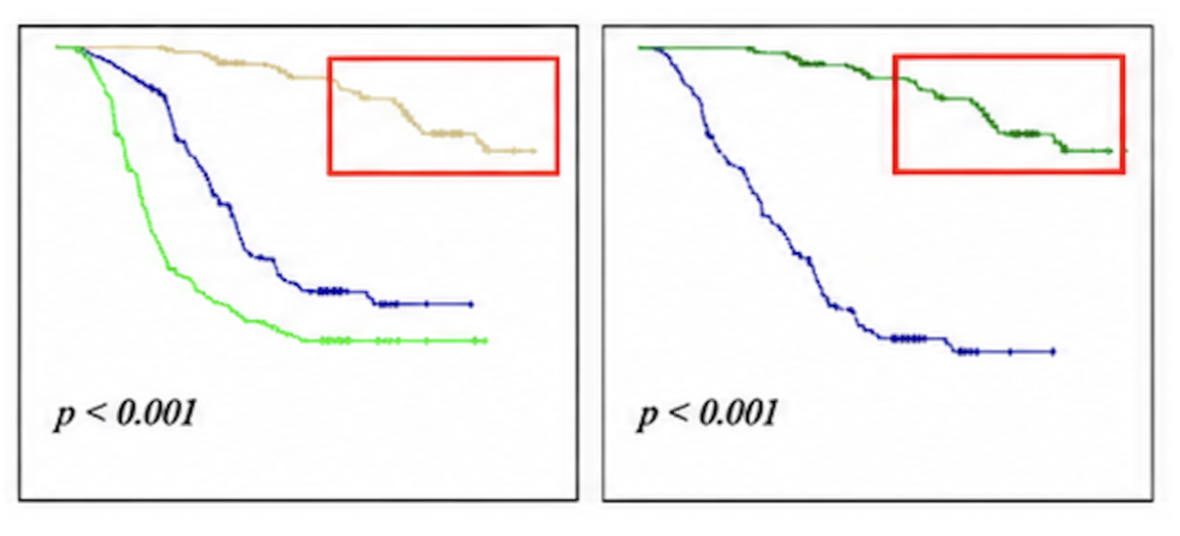
The examples below are real duplications flagged on PubPeer. Imagetwin detects duplications both within a single plot and between plots in the same paper.
How we evaluated it
To measure performance on real cases, we built a test set of genuine XRD duplications reported on PubPeer and mixed them with distractor images.
- Real duplications (459 cases) are used to measure the detection rate (true positive rate): how many actual duplications the method finds.
- Distractor images (7,910 images) are used to measure the false alarm rate (false positive rate): how often the method flags something that is not a duplication.
We made the distractor set deliberately difficult. Using hard mining, we selected images that already look very similar to each other. A random pool of images would contain too few edge cases, and the false alarm rate would look better than it really is.
The test set was never used during training, so the results reflect performance on images the model had not seen before.
What's next
XRD and line plot duplications within individual papers are already covered by our image plagiarism checker, both within and between subimages. By the end of the year, we aim to detect them across different papers too. Over the next few weeks, we will also roll out the new duplicate detection technology for microscopy and light photography images.
The new XRD and line plot detection is already live for all Imagetwin users; your next check will use it automatically.
Frequently asked questions
How accurate Imagetwin's new AI image analysis for XRD and line plots?
We tested it on 459 real duplications from PubPeer and 7,910 hard-mined distractor images. Our image analysis AI found 81.7% of duplications with a false alarm rate of 0.62%. The test set was never used during training, and the new detection is live for all users of the Imagetwin image analysis tool.
Is Imagetwin an image plagiarism checker?
For XRD and line plots, Imagetwin currently detects duplications within individual papers, both within and between subimages. By the end of the year, we aim to detect them across different papers too. That works like an image plagiarism checker, comparing figures against other publications the way a plagiarism checker compares text.
Why are XRD and line plots hard to check?
Line plots often look alike by design. Related samples share peaks, and similar cohorts produce similar curves. Some repetition is natural, such as repeating curves like sine waves. A good image analysis tool has to tell natural similarity apart from artificial duplication.