ALPSP Award for Innovation in Publishing 2026 Winner · Supporting Research Integrity
Our team at Imagetwin built a novel duplicate detection technology and, as a first step, used it to develop a new method for finding duplicated Western blot images. The method works for all duplicate types: Western blot duplicates within a single image, between images in the same paper, and between images across different papers. The method is robust to cropping, resizing, color changes, contrast shifts, rotation, and flipping. Most importantly, it reliably distinguishes between Western blots that look similar by chance and genuine duplicates, virtually eliminating false positives.
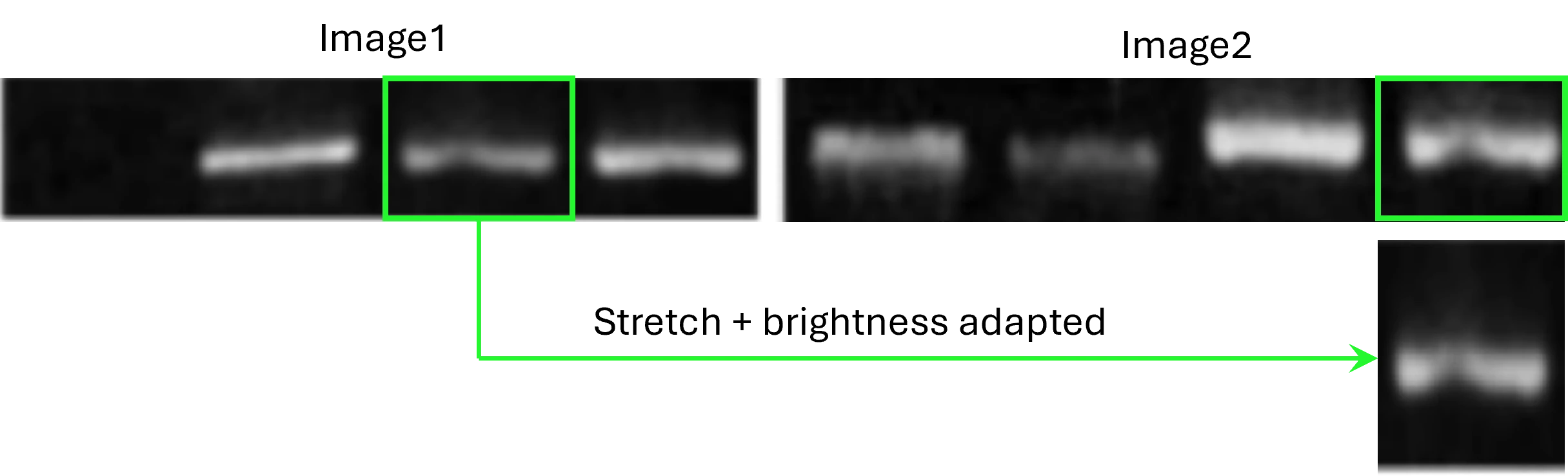
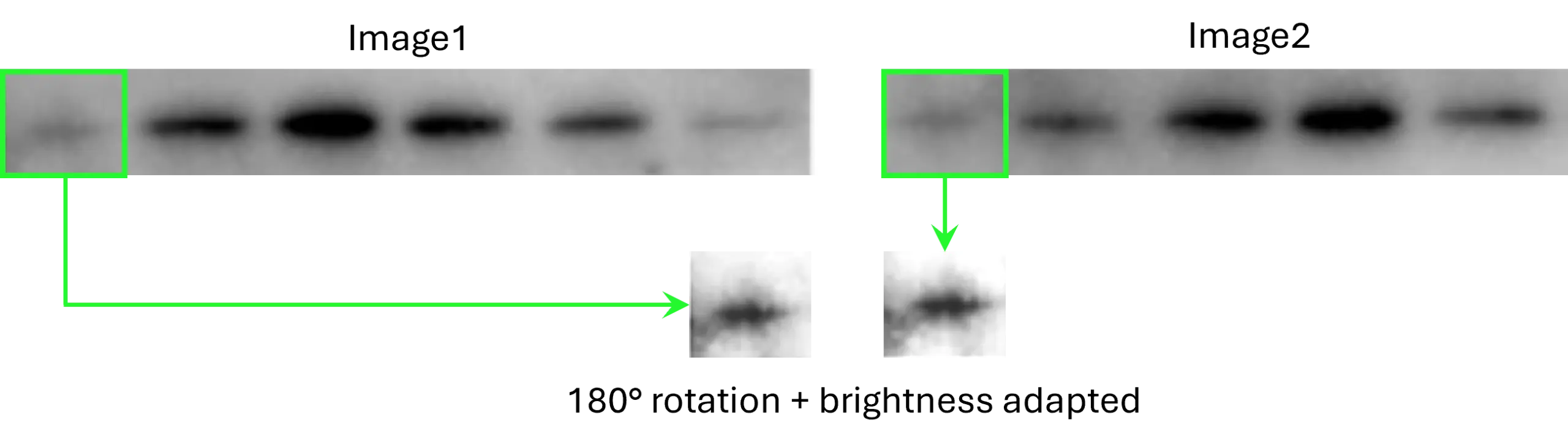
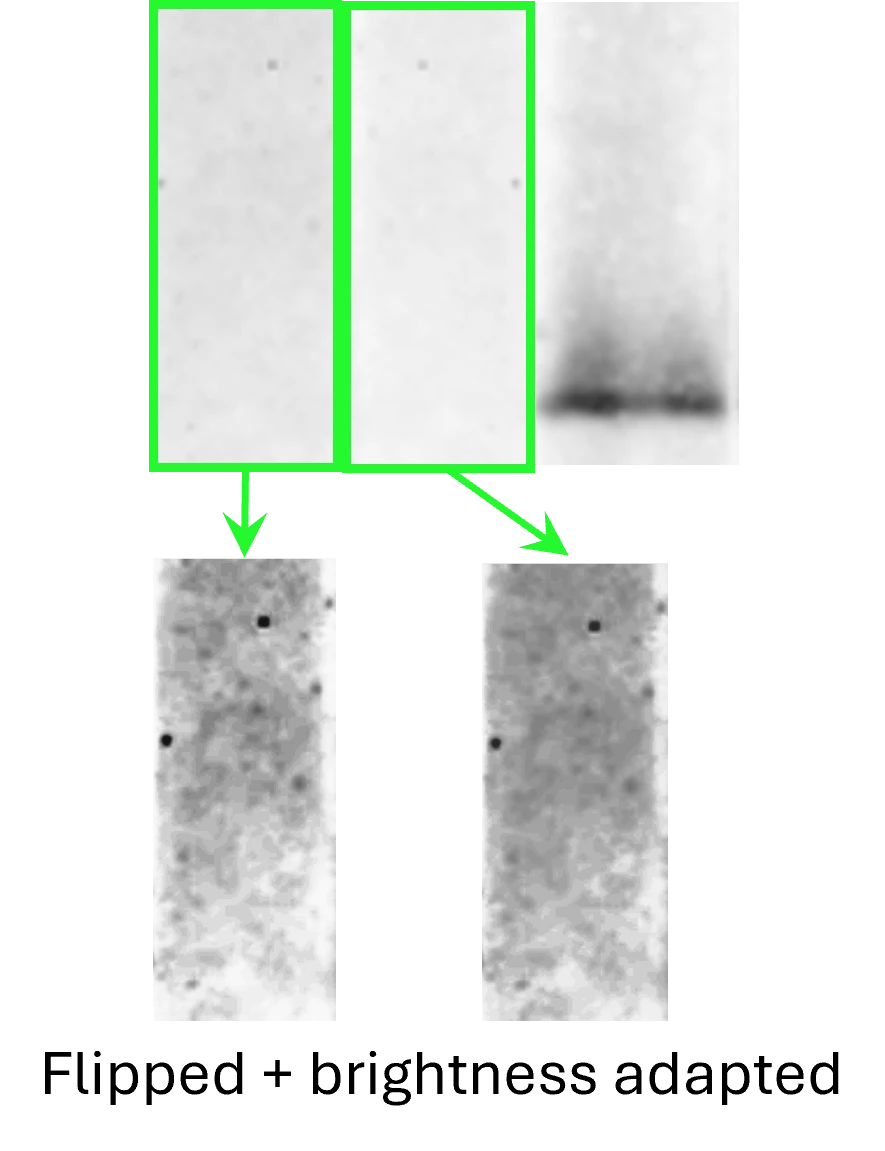
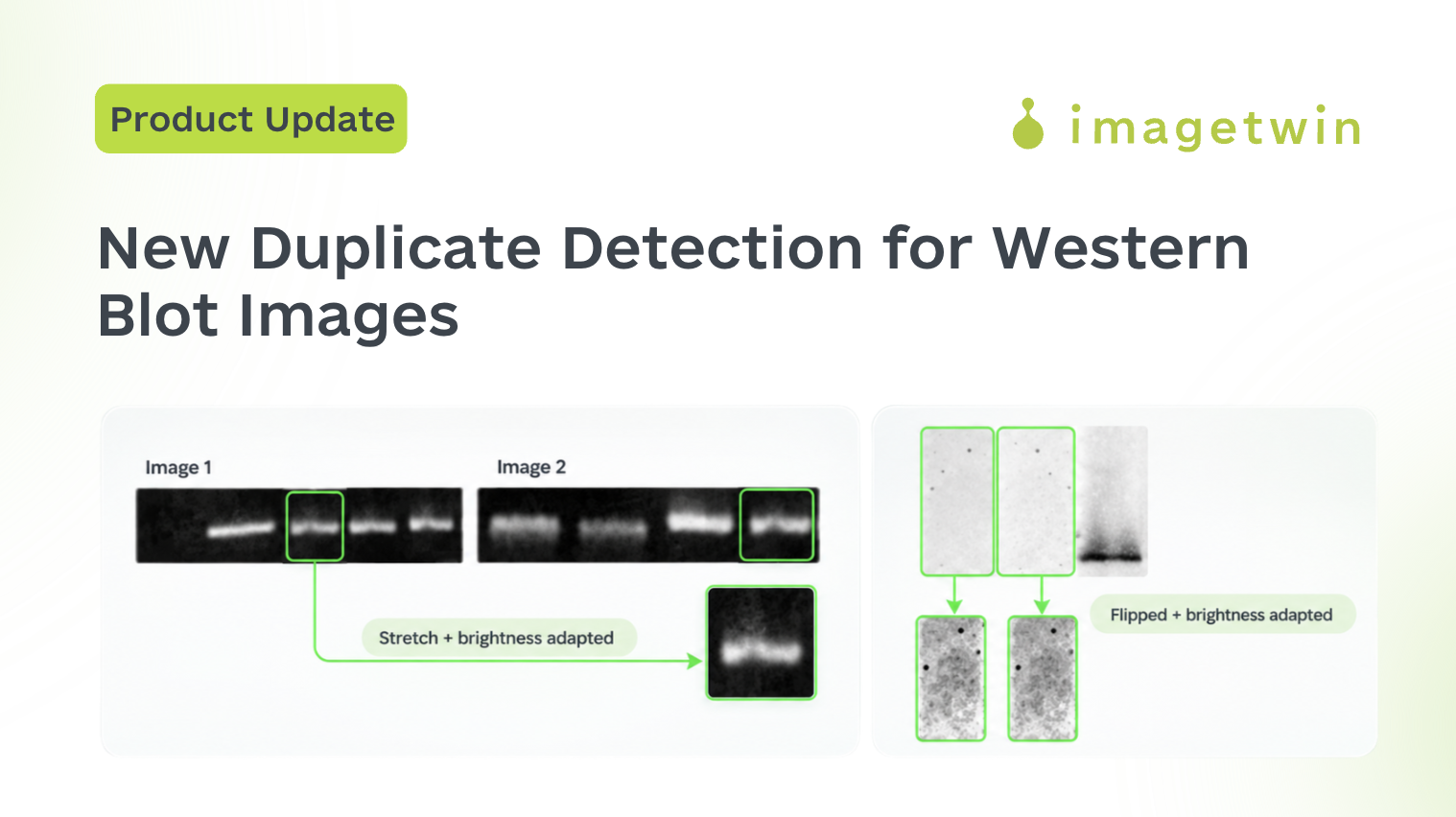
Below are a few real examples of the manipulations this method is built to catch, drawn from our testing:
To measure performance, we built a test set from real-world Western blot duplicates reported on PubPeer, mixed in with a large pool of distractor images that are not duplicates. We didn’t use any of this data for training, so the results reflect unbiased, held-out performance.
The distractors weren’t picked at random; we used hard mining to select images that already looked similar to each other. A random pool wouldn’t generate enough near-miss cases to properly stress-test false alarms, so this is a deliberately tough test.
In total, we evaluated the new method against 597 confirmed duplicates from PubPeer and 5,860 hard-mined distractor images. The result: 95.8% of real duplicates caught, with a false alarm rate of just 0.11%.
Even the small number of false alarms were extremely close calls. In our own review, it took real effort to spot the subtle differences that made them non-duplicates in the first place.
Over the coming weeks, we’re rolling out the same underlying technology to FACS plots, microscopy images, light photography, and XRD data, aiming to achieve similarly strong detection rates across those image types.
Yes, and here is why: on a held-out test set of 597 confirmed PubPeer duplicates and 5,860 hard-mined distractor images, our new method catches 95.8% of real duplicates with a 0.11% false alarm rate, it is the strongest result we’ve measured for this specific problem.
The method catches duplicates within a single image, between images in the same paper, and across different papers, even when the duplicated region has been cropped, resized, recolored, contrast-adjusted, rotated, or flipped.
No, it flags likely duplicates for a human reviewer to confirm, the same way our other detection methods work. It’s built to catch what’s easy to miss at scale, and to support human judgement.
Aries Systems Corporation, a leading provider of workflow management technologies for the scholarly publishing community, and Imagetwin, a trusted AI-powered image integrity software for research, are pleased to announce their partnership to strengthen trust in publishing through streamlined research image screening.
Research integrity is an increasingly complex and critical challenge within scholarly publishing. Ensuring research figures are credible within each article is typically a highly manual and time-consuming bottleneck for journals, and visual review by the human eye often fails to catch problematic cases. Without advanced support and additional resources, inconsistent image integrity investigations can result in frustrating delays and expensive post-publication corrections. To automate this process and minimize downstream risk, Aries Systems and Imagetwin have partnered to integrate their AI-powered image analysis software with Editorial Manager® (EM), the leading manuscript submission and peer review tracking system.
Upon submission and revision, articles in EM are automatically scanned by Imagetwin within seconds against their database of 160+ million published figures to identify potential instances of manipulation, duplication, plagiarism, or AI-generated content. From their existing workflow in EM, Editors can seamlessly access Imagetwin’s generated confidence score and sophisticated forensic toolbox for detailed examination of flagged images. Publishers also have the option to create a private repository of their own past papers to screen submissions against that archive alongside the full Imagetwin database – further promoting transparency and legitimacy in scholarship.
Pierre Montagano, Aries’ Director of Business Development says:
“Supporting trust in publishing remains a strategic priority for Aries, and we are thrilled to bolster this commitment as Imagetwin joins our suite of research integrity solutions within the Aries ecosystem. This powerful integration enables the detection of image issues early, consistently, and efficiently at scale – relieving editorial pressure and driving confidence in manuscript screening.”
Patrick Starke, Imagetwin’s Co-Founder and CEO adds to that:
“Editorial Manager is where the majority of manuscript decisions happen, so bringing image integrity screening directly into that workflow is a natural fit. This partnership means editors get flagged issues before publication, not after, which is exactly where the industry needs to be heading.”
Aries Systems transforms and revolutionizes the delivery of high-value content to the world. We are committed to providing highly customizable, flexible, and innovative workflow solutions designed to help enhance the discovery and dissemination of human knowledge. Publish faster, publisher smarter, with Aries Systems.
Within seconds of submission, Imagetwin checks manuscript figures against a database of 160+ million published images to flag potential manipulation, duplication, plagiarism, or AI-generated content. Editors then get a confidence score and access to Imagetwin’s forensic toolbox directly from their EM dashboard for closer review of any flagged figures.
Imagetwin has integrated its AI-powered image integrity screening directly into Editorial Manager® (EM), the manuscript submission and peer review platform from Aries Systems. Manuscripts submitted or revised in EM are automatically scanned by Imagetwin, so editors can review flagged image issues without leaving their existing workflow.
Yes. Publishers can build a private repository of their own previously published papers and screen new submissions against that archive in addition to the full Imagetwin database, useful for catching duplication or self-plagiarism within a publisher’s own journals.